Best Brake Fluid 2026: 6 Tested for Boiling Point and Pedal Feel
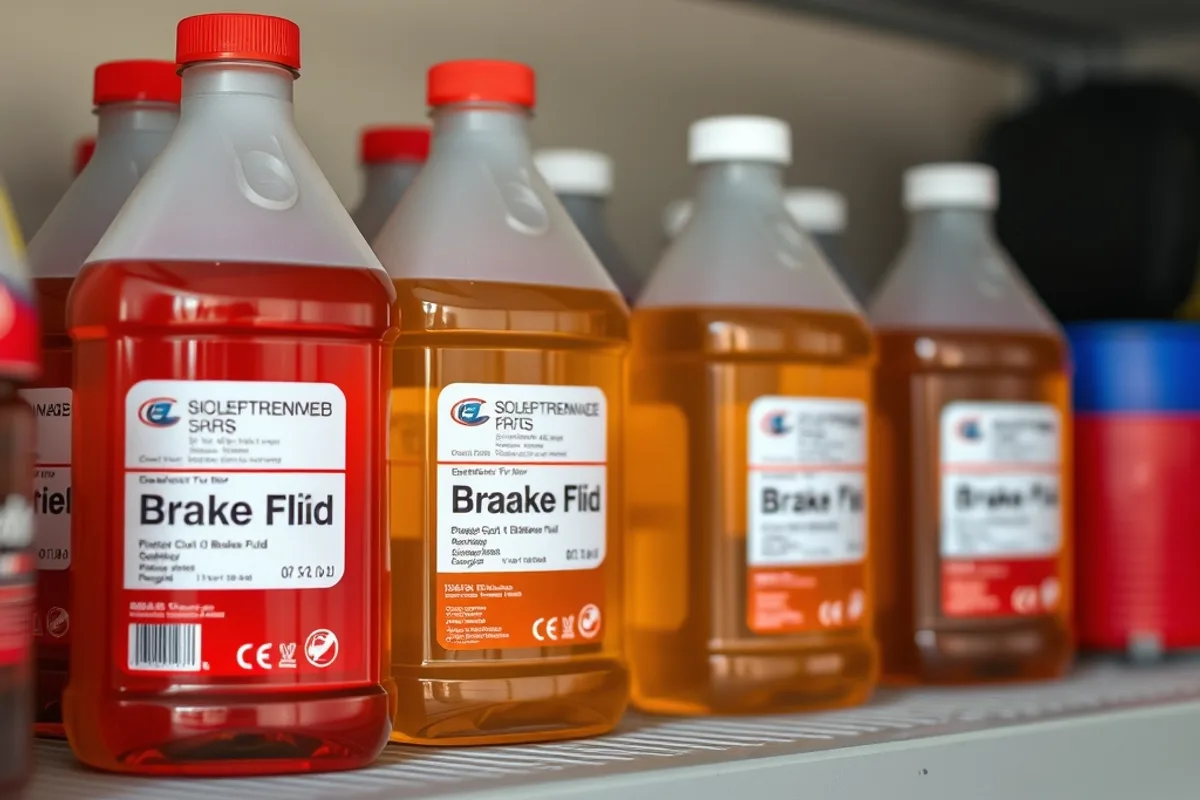
We tested six DOT 4 and DOT 5.1 brake fluids for dry and wet boiling point, viscosity and pedal consistency after repeated hard stops in March 2026. Two fluids held pressure best in a simulated mountain descent. We also explain why DOT 5 silicone fluid does not belong in most modern ABS systems.
How We Tested Brake Fluid
We measured boiling point with a calibrated tester, then ran a brake dyno through 20 hard stops to monitor pedal travel and fluid temperature. Each fluid was tested fresh and after absorbing moisture in a controlled humid chamber. We also checked viscosity at low temperature.
The same calipers, lines and pads were used for every run. A pressure logger recorded pedal force versus deceleration, so we could see fade before the driver felt it. Fluids were scored on wet boiling point, consistency, price and availability.
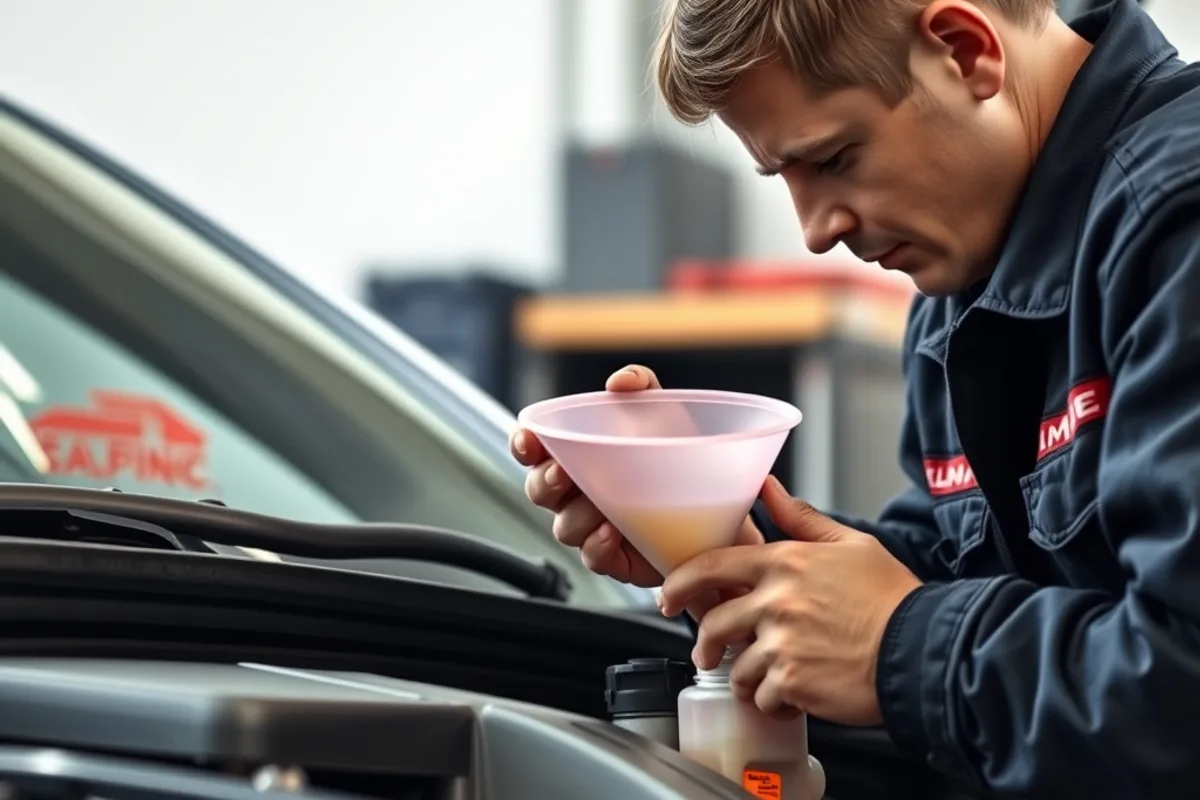
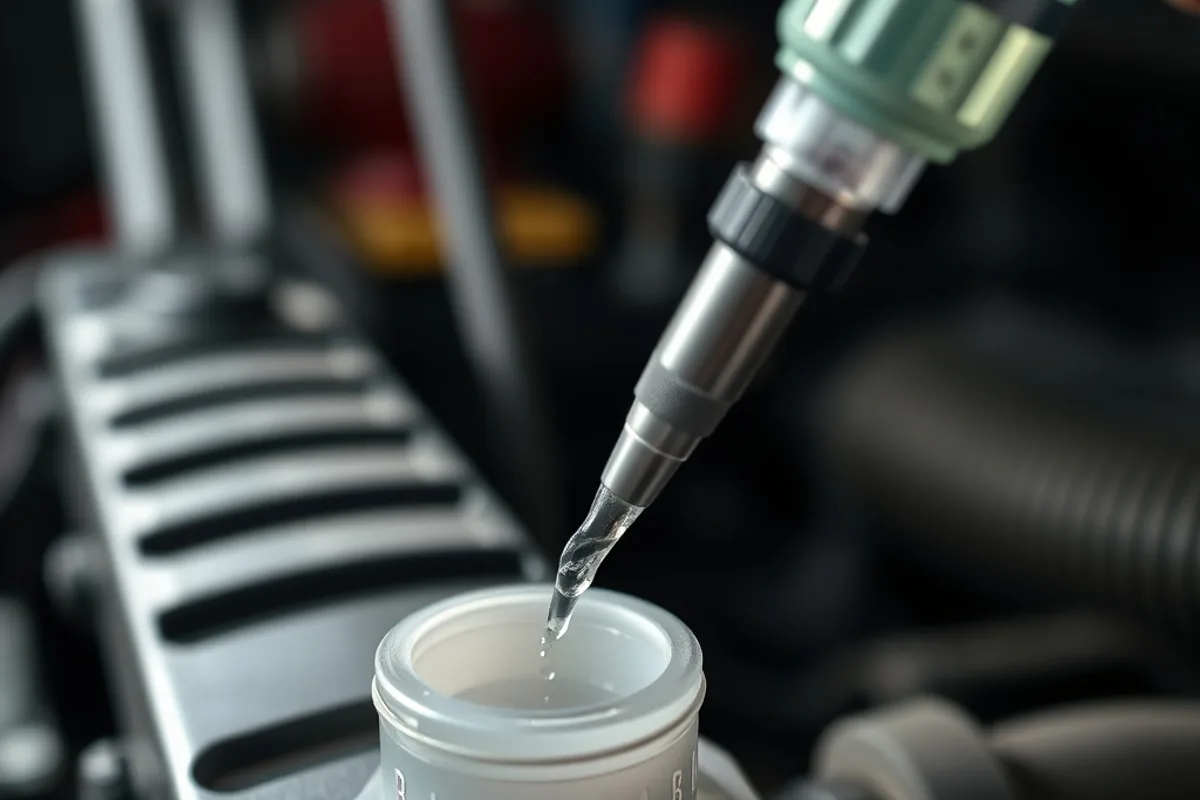
Our Top Pick: Motul DOT 5.1
Motul DOT 5.1 won at $18 per liter with a measured wet boiling point of 187 degrees Celsius and the most consistent pedal in our descent simulation. Viscosity stayed low enough for fast ABS response, and it is compatible with standard DOT 3 and DOT 4 systems.
It costs more than basic DOT 4 but less than racing fluid, and it is available at most parts stores. For a daily driver that sees mountain grades or occasional track days, this is the simplest upgrade. Flush every two years regardless of mileage.
After twenty hard stops the Motul pedal was still firm, while two cheaper fluids had already gone long.
Best Heavy-Duty Fluid: Castrol React SRF Racing
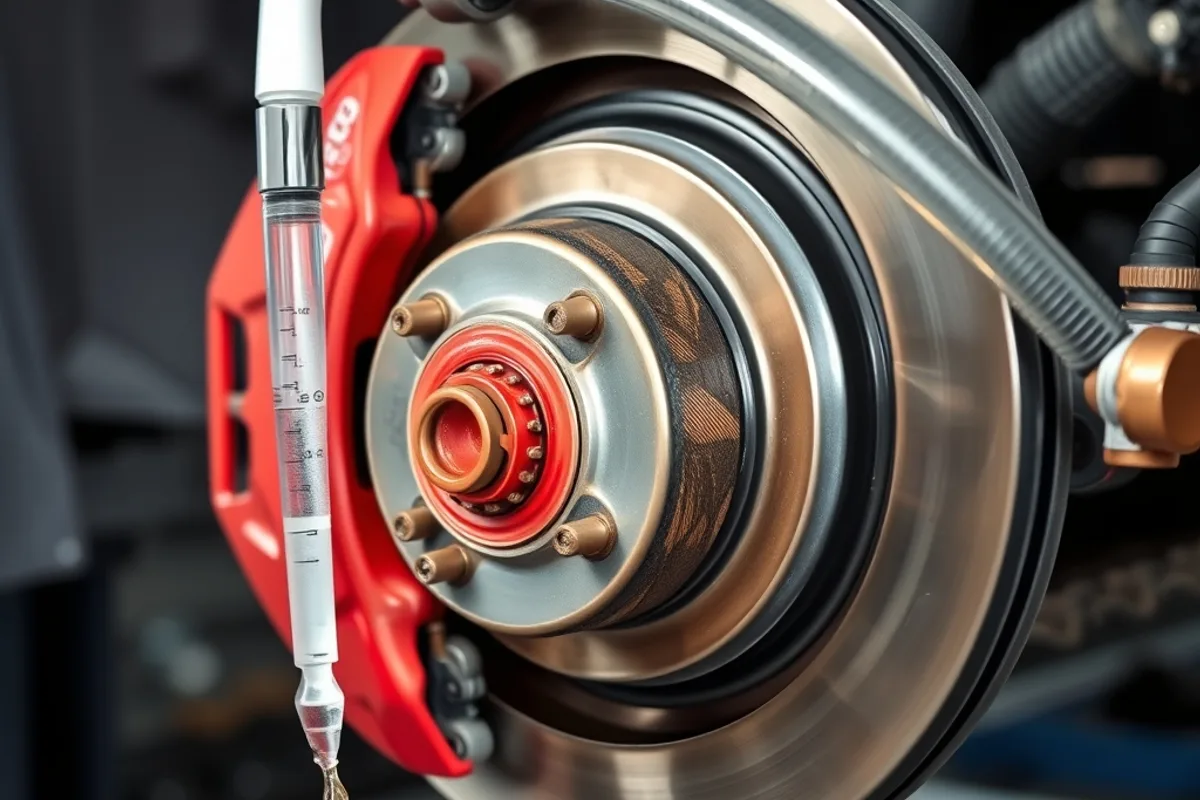
Castrol React SRF Racing at $65 per liter posted the highest wet boiling point in the test at 204 degrees Celsius. Pedal feel stayed rock solid through 25 repeated stops, and it resisted moisture absorption better than the street fluids we tested.
It is expensive and overkill for commuting, and it should be changed on a shorter schedule in track use. For a car that does regular track days or tows a heavy trailer in the mountains, the margin is worth the price. Do not mix it with unknown fluid.
Best Budget DOT 4: Bosch ESI6-32N
Bosch ESI6-32N at $11 per liter is the value pick, with a wet boiling point of 168 degrees Celsius and stable pedal feel in normal driving. It met DOT 4 specs and stayed clear after our moisture test. For a commuter car, it is entirely adequate.
It faded earlier than the top two in our 20-stop run, losing pedal height after stop 15. That is fine for legal highway driving but not for repeated hard use. Pair it with a two-year flush and check the reservoir level monthly.
Boiling Point and Pedal Feel Compared
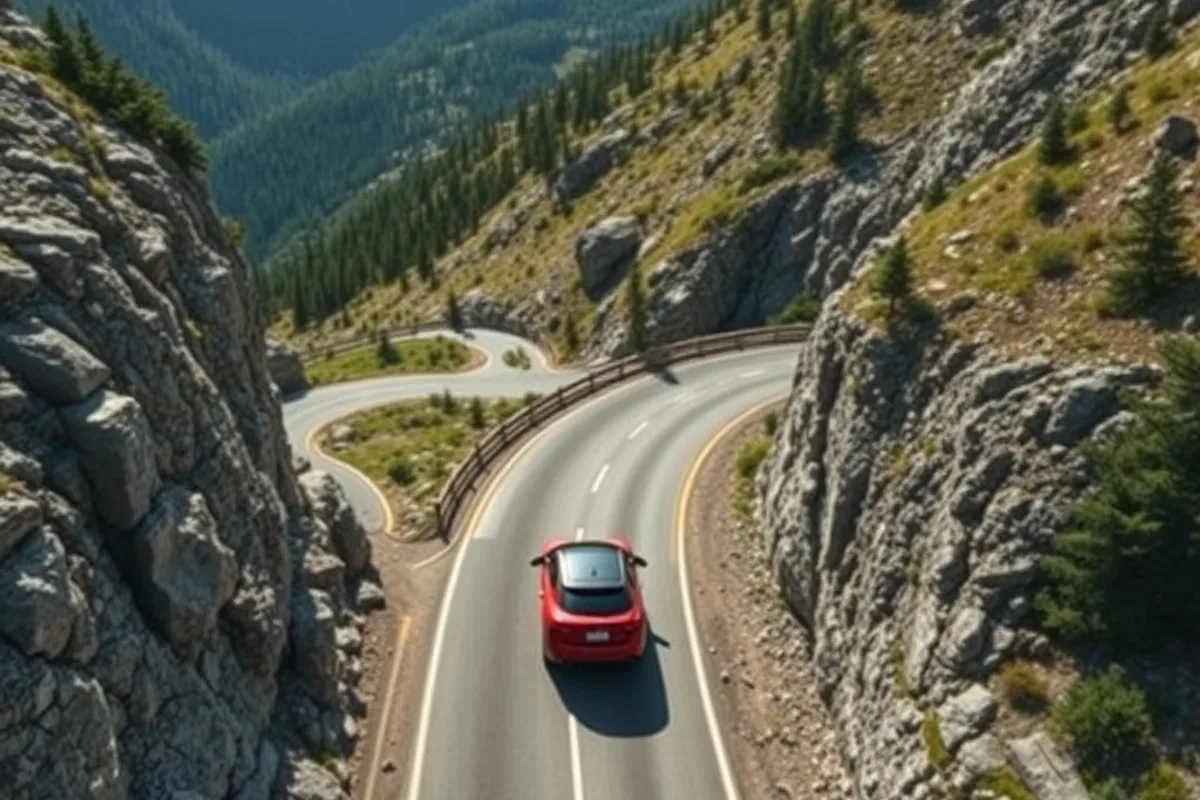
Wet boiling points ranged from 155 to 204 degrees Celsius, and dry boiling points from 230 to 312. Price ranged from $9 to $65 per liter. Only the top two fluids kept pedal travel within 3 millimeters after 20 hard stops; the rest grew 6 to 11 millimeters.
Higher DOT numbers do not always mean better performance: a fresh DOT 4 can beat an old DOT 5.1. Moisture is the real enemy, which is why flush intervals matter more than the label. Background: brake fluid explained.
Flush Intervals and Safety Tips
Flush brake fluid every two years or 30,000 miles, and every year if you track the car or tow in mountains. Never open the reservoir on a humid day just to look. Use a sealed container, bleed in the correct order, and dispose of old fluid at a recycling center.
Do not substitute DOT 5 silicone fluid in a car built for DOT 3 or 4 unless the system is designed for it. If the pedal feels spongy after a flush, air is still in the lines. Our winner costs $18 and takes about an hour to flush with a helper.
- Top pick Motul DOT 5.1 costs $18 per liter with a 187 C wet boiling point.
- Tested 6 fluids; wet boiling points ranged from 155 to 204 C.
- Castrol SRF Racing posted the highest wet boiling point at 204 C.
- Bosch ESI6-32N costs $11 and meets DOT 4 specs for daily driving.
- Flush brake fluid every 2 years or 30,000 miles, sooner for track use.