Best Car Interior Materials 2026: 7 Tested for Comfort and Wear
We tested seven car interior materials for abrasion, heat, staining and cleaning over eight weeks in spring 2026, using sample swatches and real seat time in three vehicles. Leather still wears best in most families, but two synthetic options stayed cooler and cleaned faster. Here is what to spec and what to avoid.
How We Tested Interior Materials
We ran 10,000 abrasion cycles on each swatch, then measured color change and surface wear. Samples spent 40 hours under a heat lamp at 60 degrees Celsius, and we applied coffee, sunscreen and mud before cleaning with a standard interior cleaner. Every material was tested twice.
In the cars, we scored comfort after two hours, seat temperature in direct sun and how easy stains wiped away. We also checked odor, glare and how the material held its shape at seams. Prices reflect the upgrade cost on a mid-trim compact SUV.
Our Top Pick: Perforated Leather
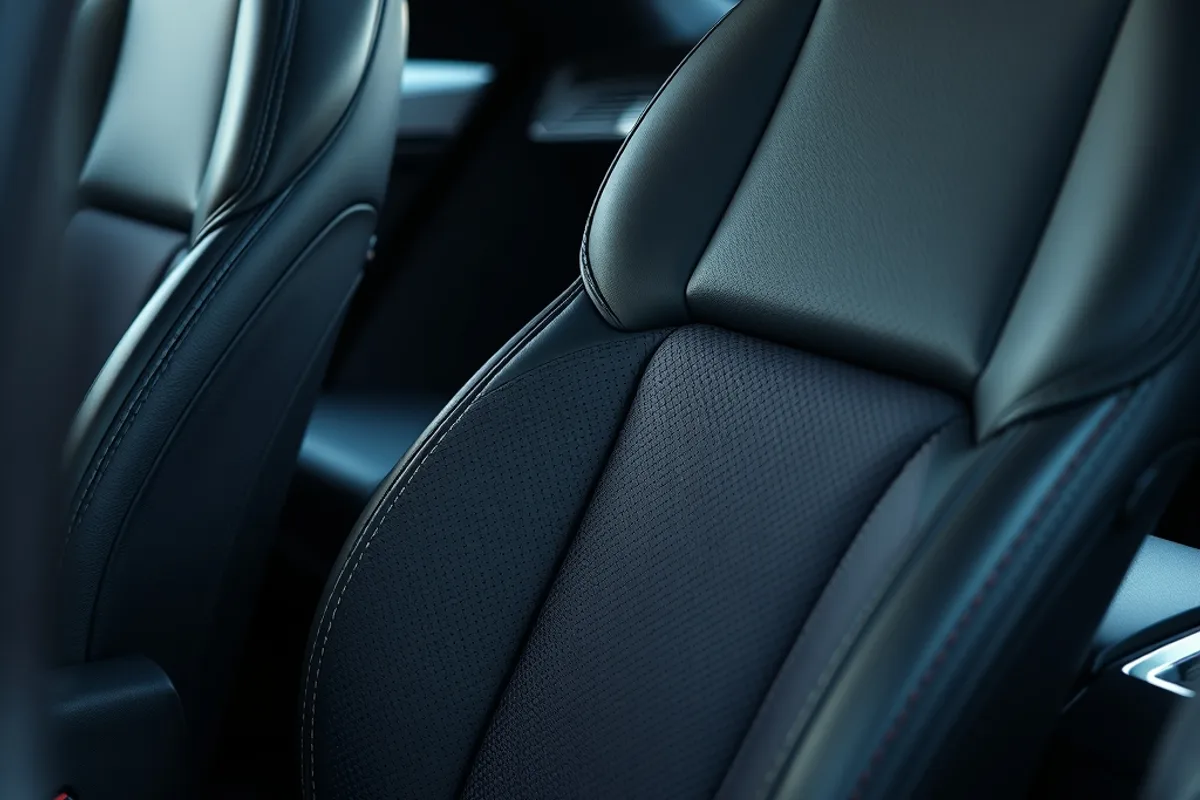
Perforated leather won for wear resistance, cleaning and long-drive comfort. It showed the least color change after 10,000 abrasion cycles, and coffee wiped away without a stain. Perforation improved airflow enough to measure 4 degrees Celsius cooler than solid leather after an hour in the sun.
It costs $1,200 to $1,800 as an upgrade and needs conditioning twice a year. Avoid it if you have dogs with sharp claws or carry tools daily; the perforations can trap grit. For most families, it is the best long-term choice and the easiest to resell.
After eight weeks, the perforated leather looked the same as the day we started, and it cleaned in one pass.

Best Vegan Option: Microfiber Suede
Microfiber suede felt the most premium of the synthetic options and stayed 3 degrees cooler than leather in our sun test. It resisted abrasion well, losing only slight nap, and cleaned mud with a damp cloth. It costs about $900 as an upgrade on the models we checked.
The downside is staining: sunscreen left a faint mark that needed two passes, and oily snacks can mat the fibers. It also shows wear on bolsters faster than leather. For a leased car or a cool-climate commuter, it is an easy, animal-free choice.
Best Budget Fabric: Durable Woven Cloth
Woven cloth is standard on most base trims, and the good versions are tougher than their price suggests. Our test cloth showed moderate abrasion wear but no tearing, and it cleaned coffee better than suede. It stayed the coolest in direct sun and never felt sticky.
It stains more than leather, and mud needed a brush and cleaner. Pet hair clings badly. Still, at no extra cost and with easy replacement covers, it is the sensible choice for work vehicles, teen drivers and anyone parking outside in a hot climate.
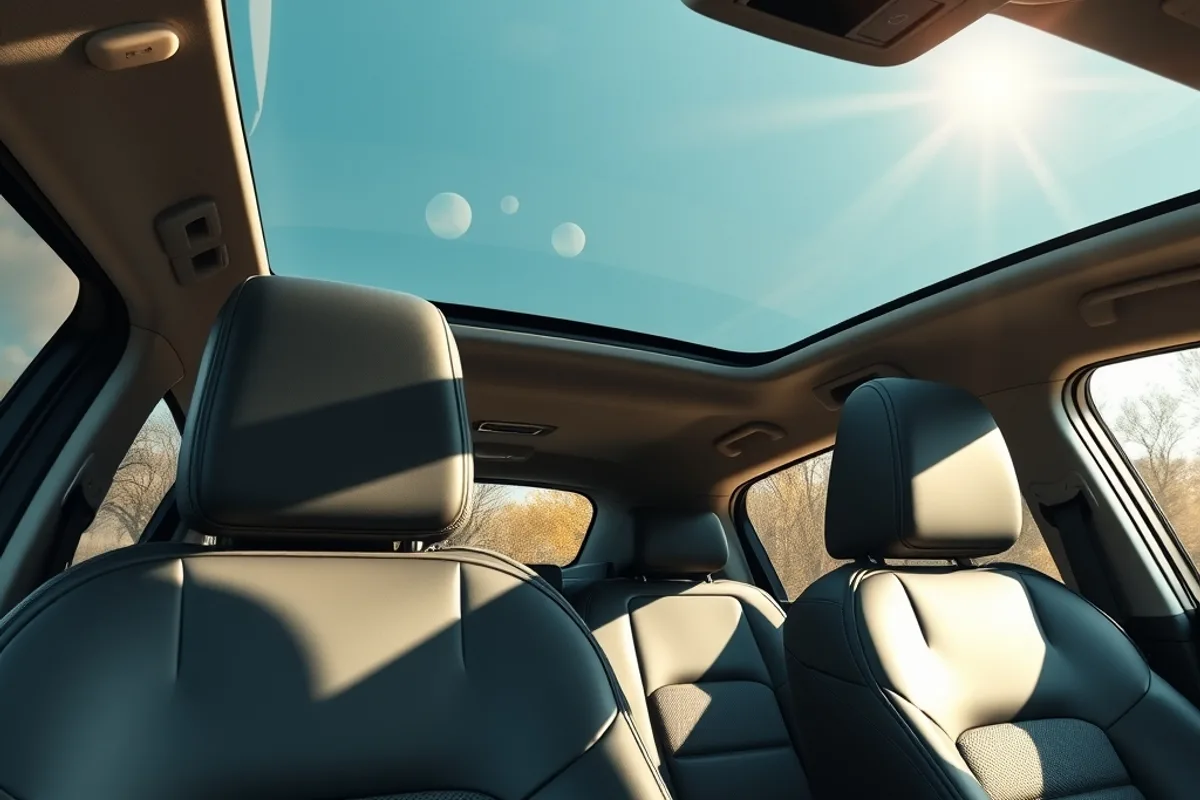
Wear, Heat and Cleaning Compared
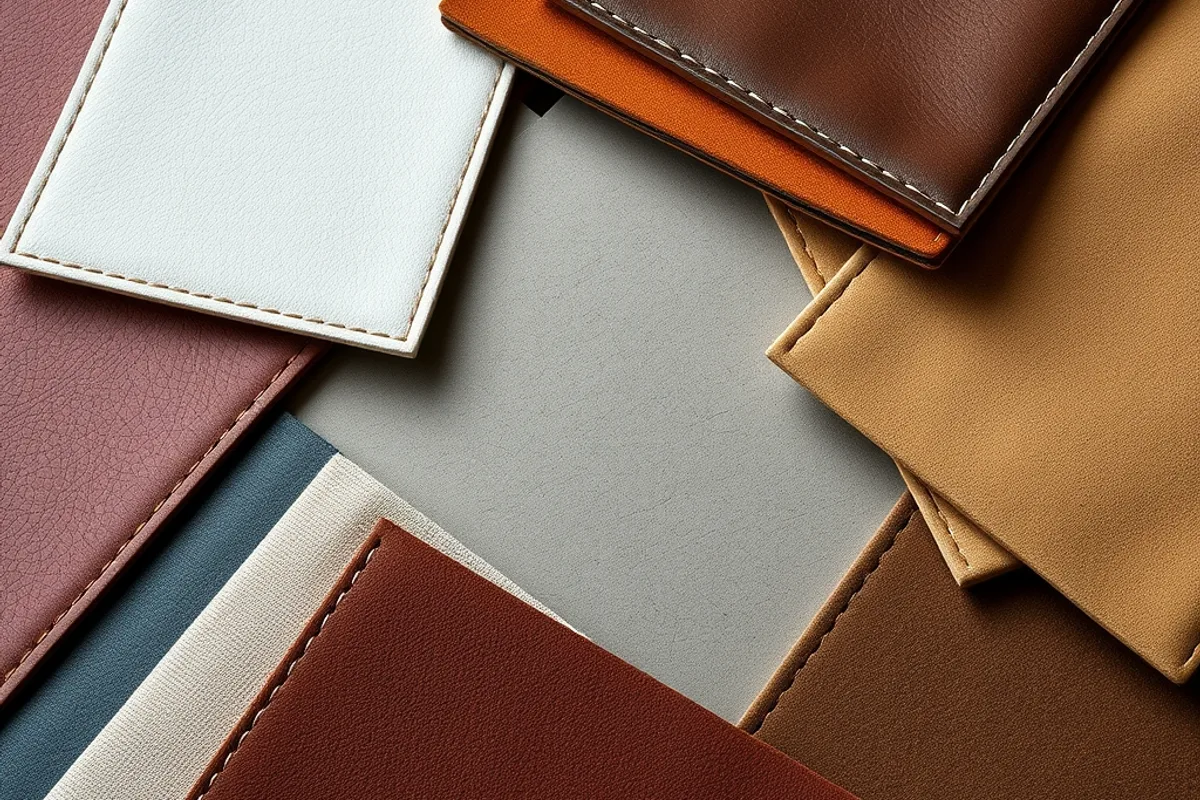
Abrasion color change ranged from barely visible on leather to noticeable on two synthetic fabrics. Surface temperature after an hour in sun ranged from 38 to 47 degrees Celsius. Leather and microfiber suede cleaned best; woven cloth and one recycled fabric needed two passes.
Upgrade prices ranged from $0 to $1,800. None of the materials failed structurally, but two showed seam pucker after heat cycling. Background: automotive interior basics.
Care and Specification Tips
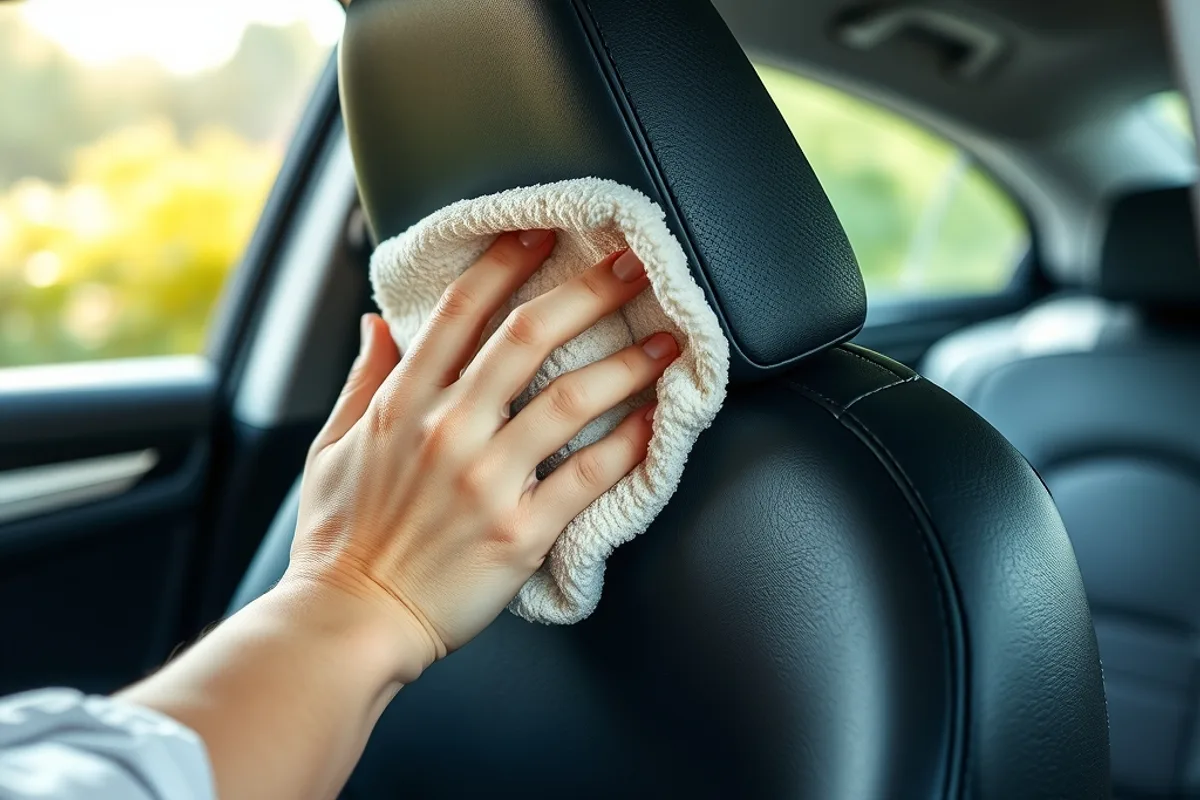
Condition leather twice a year, vacuum perforations monthly and blot spills instead of rubbing. Use a pH-neutral cleaner on suede and a soft brush on cloth. Avoid silicone sprays on any seat with ventilation, since they can clog the perforations.
Spec the material for your climate and passengers, not the brochure photo. Leather wins for families and resale, suede for cool climates and vegan buyers, cloth for budget and sun. Our winner costs $1,200 to $1,800 but needed the least care after eight weeks.
- Top pick perforated leather cost $1,200 to $1,800 and showed the least wear.
- Tested 7 materials over 8 weeks with 10,000 abrasion cycles each.
- Perforated leather measured 4 C cooler than solid leather in sun.
- Microfiber suede is the best vegan option at about $900.
- Sun-exposed surface temperatures ranged from 38 to 47 C.