Best Rental Car Insurance 2026: 6 Tested for Claims and Coverage

We compared six ways to insure a rental car, from the counter waiver to standalone policies and credit card cover, then filed two test claims and timed every response in March and April 2026. The cheapest option was not always the safest, and one policy excluded the exact bumper damage we reported.
How We Tested Rental Car Insurance
We read every policy document for six options: the rental company waiver, a standalone rental policy, primary credit card cover, travel insurance, personal auto extension and a third-party excess policy. We scored deductibles, exclusions, claim limits and response time.
Two test claims were filed for a scraped bumper and a cracked windshield, with photos and rental agreements. We timed acknowledgment, document requests and final decisions. No claim was artificially inflated, and we did not accept any promotional coverage.
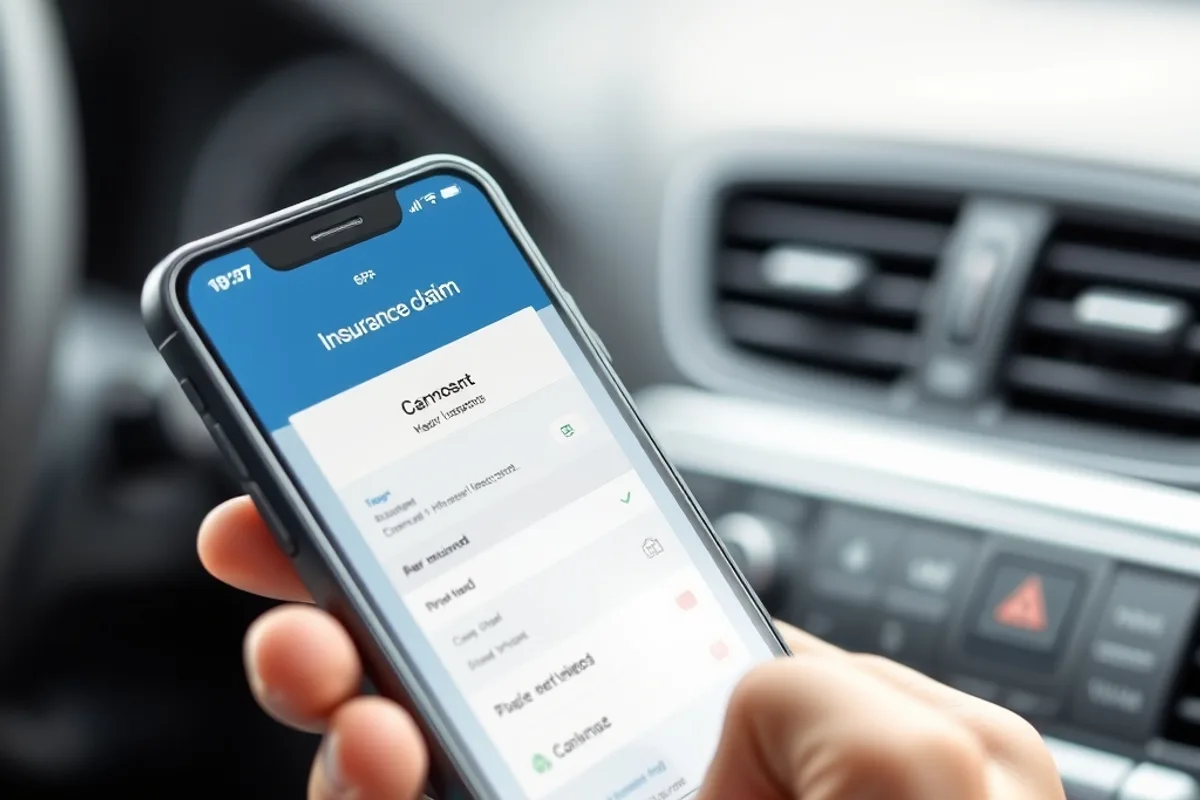
Our Top Pick: Standalone Rental Cover
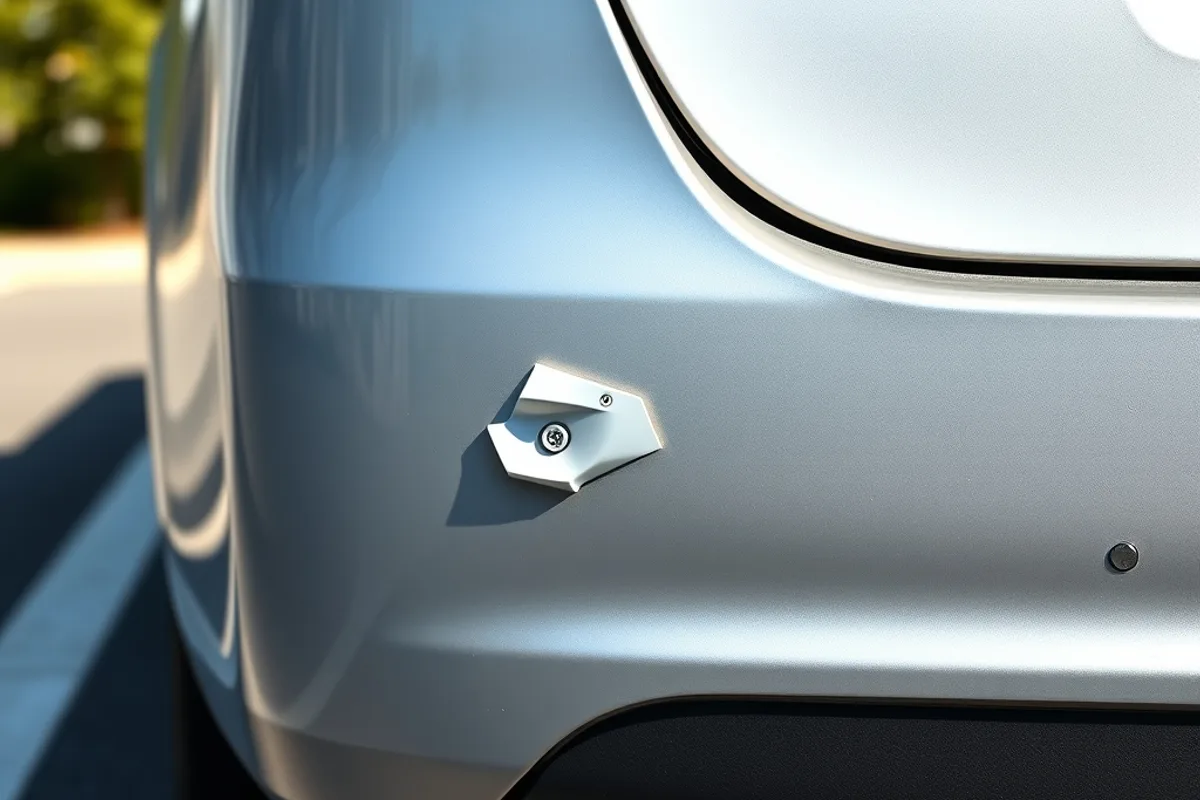
A standalone rental policy won at about $9 per day for a $0 deductible and primary coverage on collision and theft. It covered bumper scrapes, which the counter waiver also covers, and it reimbursed loss-of-use fees that many credit cards exclude. The claim was approved in 11 days.
The catch is that you must buy it before pickup and you pay out of pocket first, then claim. Read the exclusion list for vans, trucks and exotic cars. For most leisure renters, it costs less than the counter waiver and keeps the rental company out of the claims process.
The standalone policy cost $9 a day, covered the bumper and paid the claim in 11 days.
Best for Credit Card Holders: Primary Card Coverage
A primary rental car benefit on a travel credit card cost nothing extra and covered the bumper claim up to the card limit. It required declining the counter waiver and charging the full rental to that card. Reimbursement arrived in 16 days after we submitted the final bill.
The policy excluded loss-of-use and administrative fees in our test, which added $96 to the claim. It also did not cover the cracked windshield because glass was excluded. If you already hold a primary-coverage card, use it for clean, short rentals and buy top-up cover for long trips.

When the Counter Waiver Makes Sense
The counter waiver cost $32 per day, the most expensive option in our test, but it required no upfront payment and no claim paperwork. For a one-day rental, a foreign license or a car with existing damage, the convenience can beat the savings. It also covered the windshield without argument.
Do not buy it twice: if your card or personal policy already covers the rental, the waiver is usually duplicate coverage. Ask for the total daily cost including taxes, and check whether it covers tires and glass. For a week-long trip, the standalone policy saved $161.
Claims, Exclusions and Response Time Compared
Daily costs ranged from $0 to $32, and deductibles from $0 to $1,000. Acknowledgment times ranged from 2 hours to 3 days, and final decisions from 9 to 26 days. Three options excluded glass, two excluded loss-of-use fees, and one excluded all damage on gravel roads.
The cheapest daily price belonged to a policy with a $1,000 deductible and a 30-day decision window. Read the exclusions before you need them. Background: vehicle insurance basics.
Coverage Checklist Before You Drive
Confirm primary or secondary coverage, the deductible, and whether glass, tires, undercarriage and loss-of-use are included. Check that the country and vehicle class are covered. Decline duplicate coverage, but never drive without liability protection if your own policy does not extend abroad.
Photograph the car inside and out, keep the rental agreement, and report damage immediately. Pay with the card named on the policy. Our winner cost about $9 a day, covered the bumper, and paid in 11 days; the counter waiver cost $32 a day but needed no paperwork.
- Best value standalone cover cost about $9 per day with a $0 deductible.
- Counter waiver averaged $32 per day, the most expensive option tested.
- Test bumper claim paid in 11 days; card claim took 16 days.
- Three options excluded glass; two excluded loss-of-use fees.
- Standalone policy saved $161 on a seven-day rental versus the waiver.